Finding the right place to board your dog can feel like choosing a school for a child. You are handing over a family member, often for several days, and you want more than a clean cage and a water bowl. You want a facility that understands canine behavior, has protocols that hold up under stress, and treats your pet like a living creature with needs, quirks, and a daily rhythm. Oakville and its neighbors, including Mississauga, have a range of options, from small boutique kennels tucked behind grooming salons to large campuses with indoor play fields. The difference between a good and a great kennel shows up in small details: the way the staff notes a change in stool, the calm tone used during drop-off, or the fact that an anxious dog eats on his own after a few hours instead of fasting for two days.
I have evaluated kennels for clients for more than a decade, from downtown Toronto to the farm belts west of Milton. The criteria below reflect what matters in practice, not just on a website. Whether you are comparing dog boarding Oakville facilities or considering dog boarding Mississauga options because you commute across the border between the two, the principles travel well.
The first visit: what to look for before you book
Walk-throughs tell you more than any brochure. The best places encourage them. When I tour a kennel, I watch for how staff move through their day. Are they brisk but gentle, or rushed and abrupt? Do they greet dogs by name, or do they rely on the collar tag every time? In one Oakville dog daycare I like, I noticed a handler pause to praise a timid doodle for stepping onto a rubber mat by himself. That two-second note told me they track small wins, which is exactly how you help a nervous boarder settle.
Cleanliness is obvious, but the type of clean matters. The air should smell like a mild sanitizer, not perfume or bleach. Floors should be dry underfoot except in active mop zones. If you see stacked bowls drying properly and labeled medication caddies, you are looking at a place that understands cross-contamination risks. I run a finger along a ledge if I can do it discreetly. Dust happens, but layers of it suggest maintenance is a sometime thing.
Noise levels are another tell. Even with healthy play groups, the kennel should cycle between lively bursts and calm periods. Constant barking means the dogs aren’t getting decompression time or the facility isn’t designed to dampen sound. Good kennels in the dog daycare Oakville and dog daycare Mississauga markets often invest in acoustic panels and rubberized flooring. It is not just for comfort. Lower noise reduces stress hormones, which helps digestion and sleep, two foundations of healthy boarding.
Finally, ask about overnight staffing. Some facilities have people on site 24/7. Others have cameras and remote alerts but no human in the building overnight. There is no single right answer for every dog, but you should know the policy. A senior dog with nighttime accidents does better where someone can check in at 2 a.m.
Health protocols that stand up in real life
Policies on vaccines, parasites, and illness screening are the backbone of safe dog boarding. The standards vary across pet boarding service providers, but a great kennel meets or exceeds local veterinary guidance. Expect to share up-to-date proof of rabies and DHPP. Bordetella is usually required for facilities with group play. Some also ask for leptospirosis and canine influenza when local conditions warrant it. I like a kennel that explains why they require what they require, rather than reading off a script.
Intake exams matter. A quick head-to-tail check at drop-off catches mats, skin irritations, or ear gunk that can turn into infections. This is not a vet consult, but a practical screen. If a place waves you through without looking your dog over, they are likely missing issues on other dogs too. Parasite prevention needs a clear policy as well. In a region that sees ticks early in spring and well into fall, a facility that checks incoming dogs for fleas and keeps a log of preventatives is doing everyone a favor.
Medication handling is a quiet topic until it becomes a loud one. Ask to see how they label and store meds. Complex schedules should be recorded in a daily chart with checkboxes and time stamps. Insulin injections and seizure meds require staff trained to understand timing and dose accuracy. I ask, gently, how they handle a missed dose. The right answer is not “We never miss,” it is “We have a double-check system and an incident log, and we will call you right away.”
Living space, light, and the layout that calms dogs
A dog’s day in boarding is a sequence of environments. When you study how those spaces connect, you learn how likely your dog is to relax. I look for runs or suites that let a dog move a few paces, turn, and lie down without touching sides. Solid dividers between adjacent runs reduce fence-fighting and protect sleep. Clear sightlines for staff matter more than cameras. You want a person to detect a tucked tail or tense jaw before a dog decides to guard resources.
Light and airflow affect how a space feels to a dog. Natural light helps, even if it is indirect. Ventilation should keep air fresh without drafts. Temperature control needs to reflect winter and summer realities in southern Ontario. If a place gets hot by mid-afternoon in July, dogs will sleep poorly. In colder months, concrete floors without adequate mats chill joints. I once had a senior Lab who came home stiff from a well-reviewed kennel. We learned they were hosing runs late at night and not drying them fully, so he slept damp. A conversation solved it. The point is to ask about routines that can impact comfort.
Play yards tell you how a facility thinks about enrichment. Grass is wonderful, but durable turf and well-drained gravel are more realistic in high-traffic dog daycare settings. Shade sails, wind breaks, and quiet corners offer choices. I like to see equipment that supports confidence, not Instagram tricks. Low platforms, gentle ramps, and scent games beat tall A-frames for mixed groups. Fresh water should be available in multiple low-tipped bowls, swapped frequently. Frozen containers in summer help prevent overheated scrums around a single bowl.
Group play, private care, and getting the match right
Not every dog thrives in a pack. A great kennel admits that and builds alternatives. Many dog daycare Oakville and dog daycare Mississauga businesses run group play as their core. That can be excellent for social dogs. The key is thoughtful grouping. Size and age splits are basic. Play style is the nuance that matters. A bouncy adolescent who hip-checks gets matched with sturdy peers. A soft-mouthed spaniel who prefers sniffing hangs with a mellow crowd. Ask how they introduce new dogs. The best facilities use a staged approach, starting with a one-on-one handler meet, then a single calm buddy, then a small group.
Some dogs need one-on-one care. Seniors, intact dogs, and certain breeds or personalities do better with structured enrichment instead of free play. Good kennels offer sniff walks, puzzle feeders, or short training sessions as add-on services, not an afterthought. I often book two or three 15-minute enrichment blocks per day for dogs who don’t love the crowd. They come home tired in the right way, not frazzled.
The language staff use when discussing behavior is telling. If they refer to a dog as “aggressive” based on one tense moment, I keep looking. If they describe signals they saw and steps they took to de-escalate, I stay engaged. You want handlers who can read stress ladders: lip licks, shake-offs, whale eye, freezing. In one pet boarding service I admire near the Oakville-Mississauga border, handlers carry pocket notebooks. They jot down a dog’s first tail wag, the time he ate half his dinner, or when he chose the raised cot over the corner. That quiet data builds a picture and guides care day by day.
Feeding routines, special diets, and the art of the first 48 hours
Dogs often skip meals in a new place. That first 48-hour window is where a kennel earns their reputation. I pack the same food the dog eats at home, pre-measured in bags. I add clear notes on toppers if appetite dips. Savvy staff will ask permission to use warm water, a spoon of pumpkin, or a few pieces of boiled chicken to entice. They will also respect allergies and avoid communal treats unless cleared. If your dog eats raw, confirm how they store and thaw it. A separate fridge and labeled bins keep things organized.
Meal timing should match your home schedule within reason. For puppies and small breeds, blood sugar dips can be an issue, so three small meals may be better than two standard ones. For dogs with sensitive stomachs, slow feeder bowls and a calm feeding zone prevent scarf-and-barf episodes. Water intake is another watch point. Some dogs drink less when stressed. The facility should track and adjust with more frequent bowl refreshes or adding water to food.
If your dog needs medication with meals, clarity is non-negotiable. I print the med schedule even if I have discussed it. A quality kennel will confirm dosing windows verbally and on paper, then send a quick update after the first successful med administration. This level of communication eases owner anxiety and keeps the team aligned.
Hygiene, grooming, and the line between clean and over-sanitized
Boarding and dog grooming often sit under one roof. This can be convenient. A bath before pickup saves your car and your nose. Reputable dog grooming services in boarding settings understand the stress load of a stay and keep sessions short. For double-coated breeds, avoid de-shedding marathons after a week of boarding. Better to book a tidy bath, ear check, and nail trim, then schedule a full groom a week later when your dog is back to baseline.
Hygiene policies should balance sanitation with skin health. Overbathing strips oils and can exacerbate itching. Bedding should be laundered regularly without harsh scents. Shared equipment like brushes and toys need disinfection between uses. In cat boarding areas, strict separation of supplies matters even more. A kennel that offers cat boarding, whether in Oakville or cat boarding Mississauga, should have dedicated rooms with independent ventilation, vertical space, and hiding nooks. Cats do not want dogs peering in. Litter boxes kept spotless, quiet ambient sound, and a stable daily routine make the difference in appetite and mood.
Staff training, ratios, and why experience shows up in the small things
The best buildings are only as good as the people in them. I ask about staff tenure. A team with multiple members who have stayed two or more years tends to run smoother. High turnover shows up as inconsistent handling and variable dog experiences. Ratios in group play vary, but for mixed-size groups indoors, one handler to 10 to 12 dogs is common. Tighter ratios for small dogs and young puppies make sense. Outdoors in large yards, the ratio can stretch slightly, but only with clear zones and skilled observers.
Continuing education impresses me more than a glossy lobby. Does the team attend seminars on canine body language, first aid, and low-stress handling? Do they practice mock drills for fire alarms or evacuation? I once watched a facility test their emergency routine. Dogs were calmly moved from three zones to transport crates in under eight minutes, with checklists at each door. That level of preparation is not luck. It is training and repetition.
Communication style with owners is part of training too. Daily reports vary from quick text updates to fuller summaries with photos. I prefer honest notes over staged pictures. If my dog had loose stool mid-morning, tell me and add what you did about it. If he skipped lunch but ate dinner, great. Consistency builds trust. When reviewing dog daycare Mississauga options for commuters, I often recommend those that provide end-of-day pickup notes. They help owners adjust at-home routines, like adding a quiet evening walk instead of a high-arousal fetch session after a busy daycare day.
Safety by design: doors, gates, and the anti-escape mindset
No one plans to lose a dog. Prevention relies on layered safety. Double-door entries, self-closing gates, and clear “dog at door” protocols reduce risk during transitions. I like visual cues such as colored collars or harnesses for specific notes: red for “solo play,” blue for “meds,” green for “food allergies.” It helps the entire team move in sync. For facilities near busy roads, perimeter fencing should be six feet or higher with secure latches. Snow drifts in winter can create step-ups near fences. Go ahead and ask how they address that.
Leash handling is simple when done well. Slip leads at every door, practiced hand-offs, and a rule that no dog moves in a hallway without a leash. Delivery zones should be separated from dog access. The less you rely on luck and “he never bolts,” the safer your operation. Great kennels also microchip-scan new clients and confirm tags. Redundant identification is cheap insurance.
Special cases: puppies, seniors, and medical needs
Puppies in boarding require a thoughtful plan. Socialization is valuable, but overstimulation creates setbacks. I look for short play bursts, naps in quiet spaces, and handler-led mini-sessions: name games, gentle handling, and recall practice in a low-distraction corner. Potty training continues during boarding only if the facility maintains your routine. Clear instructions, consistent cue words, and frequent trips to the same surfaces help.
Seniors bring a different set of concerns. Arthritis, vision changes, and cognitive shifts require calm handling and predictable schedules. Ramps instead of steps, non-slip mats, and warm sleeping spots show care. Walks should be unhurried, with time to sniff. Med schedules for seniors can be complex. Confirm who administers and how they document it. If your senior dog benefits from a shorter stay, consider a trial night to gauge recovery time after boarding.
Medical cases need transparency. Diabetics, seizure-prone dogs, or those recovering from surgery can board safely, but only with staff who know what to watch for. Establish thresholds for when to call you, when to call your vet, and what constitutes an emergency. For dogs who need quiet, ask about a quieter wing or off-peak drop-off times. Reduced ambient noise and fewer transitions can keep vitals steadier.
Cats deserve their own paragraph, and their own wing
Cat boarding in mixed dog-and-cat facilities works best when cats feel unseen and unbothered. That means a separate entrance if possible, or at least a side corridor far from barking. Cat condos should allow vertical movement rather than just side-to-side. I prefer enclosures with a hide box, a perch, and a litter area that https://happyhoundz.ca/grooming/ is not adjacent to the food dish. For cat boarding Oakville providers, look for daylight without direct sun roasting a condo for hours. Scent enrichment can help. A small cloth from home, rotated toys, and gentle play sessions keep stress down. With cat boarding Mississauga and Oakville alike, staff should note daily appetite, stool quality, and engagement, since cats often mask discomfort longer than dogs.
When doggy daycare and boarding overlap
Many kennels run doggy daycare during the day and boarding overnight. This can be a plus if your dog enjoys play. The hours of movement, sniffing, and social interaction lead to deep sleep after dinner. It can also be too much for some dogs. Ask whether boarders get built-in rest windows. A good practice is structured nap time in the early afternoon, lights dimmed, white noise or calm music in the background. Dogs learn to settle, which reduces irritability in late-day play groups.
If you are a regular at dog daycare, consider that familiarity as a tool. Boarding at the same facility where your dog already attends dog day care can smooth the transition. Staff know his cues, and he knows the scent map of the building. For dogs new to the environment, I recommend two to three half-days before a longer boarding stay. The pattern helps, especially for cautious personalities.
Pricing, value, and what add-ons actually matter
Rates across dog boarding Oakville and surrounding areas vary by facility size, staffing, and amenity level. Expect a base nightly rate that covers housing, feeding your supplied food, and potty breaks or standard play. Add-ons include one-on-one enrichment, training refreshers, baths, and medication administration. The best question to ask is not “Why is this more expensive?” but “What does the base day look like for my dog?” A cheaper nightly rate that includes little interaction can cost more in stress and post-boarding behavior resets.
I find that targeted add-ons pay off. For solo-care dogs, two enrichment blocks per day are worth more than unlimited group play they will not enjoy. For social butterflies, springing for a mid-stay bath and nail trim keeps them comfortable. For anxious eaters, appetite boosters and hand-feeding as needed are money well spent. Transparency about fees matters. A printed estimate for a seven-night stay with taxes and all services prevents surprises at pickup.
The human factor at drop-off and pickup
Your energy sets the tone. At drop-off, keep it calm and routine. Avoid lengthy goodbyes. Hand the leash to staff with a simple cue your dog knows, like “You’re with friends.” If your dog is prone to separation stress, time your drop-off for mid-morning rather than rush hour to avoid stacked stressors. Share a one-page care sheet: feeding, meds, quirks, and a bullet of “comfort notes” such as favorite words or games. Then let the staff do their work.
Pickup can bring a mix of joyful reunion and rebound zoomies. Some dogs are giddy, others decompress by sleeping for hours at home. Mild loose stool and a hoarse voice can happen after active weeks. What should not happen: persistent coughing, diarrhea that lasts more than a day, or lethargy beyond normal tiredness. If you see those, call the facility and your vet. Reputable kennels will want to know and will share any facility-wide health notices promptly.
How to compare Oakville and Mississauga options with a clear head
Proximity matters, but it is not the only lever. Families in Oakville often work or visit across city lines, so dog boarding Mississauga can be practical if it saves 30 minutes in traffic during pickup. If your dog uses dog daycare Mississauga two days a week, boarding there over a long weekend can reduce transition friction. Conversely, if your dog thrives in a quieter environment, a smaller Oakville facility tucked off a main road might beat a larger campus with constant flow.
When comparing, use a simple screen that fits on one page. Keep it to essentials you can verify by visit, conversation, or policy document. Then trust what you saw, not the shiniest social feed.
List 1: Quick comparison checklist
- Staff presence overnight or on-call, and how they monitor Group play policies, ratios, and rest periods Health protocols: vaccines, intake checks, and med handling Housing design: dividers, bedding, temperature control Communication style: daily updates, incident reporting, transparency
Visit at least two facilities if time allows. The contrast clarifies your preferences. One will likely feel better to you, and your dog’s body language during the tour can confirm it. Loose wags, soft eyes, and curiosity are good signs. A tucked tail and refusal to take treats are not deal-breakers on a first visit, but they warrant a slower ramp-up with short stays.
Where grooming and boarding complement each other
Grooming and boarding under one roof can be a time-saver when coordinated with thought. For dogs with coat types that mat easily, schedule a mid-stay brush-out if the boarding period exceeds a week. For those prone to dry skin, choose a gentle, fragrance-free shampoo. Quality dog grooming services will ask about sensitivities, past reactions, and desired outcomes. If your dog gets anxious on the grooming table, request a groom at a quieter time of day and confirm that the grooming area is separate from high-energy play zones. The less your dog experiences sharp transitions from loud to restrained environments, the easier the session.
On the administrative side, align pickup times with grooming completion windows. A bath at 3 p.m. for a 4 p.m. pickup leaves enough time for drying without a rushed hand-off. If you are crossing town back to Oakville from a pet boarding Mississauga facility, a tight window invites delays. The small logistics save you stress and prevent your dog from waiting crated after a groom for too long.
Building a relationship that pays off over years
The best kennels become partners. They notice patterns, remind you when a vaccine is due, and flag small issues before they grow. When your dog ages, they adjust routines. If your family expands, they handle the puppy’s first stays with extra care. Loyalty goes both ways. Holiday seasons fill up months ahead. Regulars who book early and respect cancellation policies help facilities plan staffing and keep quality high.
A brief note on tipping and thank-yous: policies vary, and staff rarely expect it, but a thoughtful thank-you note that mentions a specific handler by name does more than you think. It validates good work and signals to management where to invest in training and retention.
A word on cats again, because they are different on purpose
If you keep both dogs and cats, coordinating board across species is tempting. Resist the urge to blend care unless the facility truly excels at both. Standout cat boarding providers often have staff who identify as “cat people,” with the patience to let a cat acclimate behind a curtain for a day before initiating interaction. They track subtle signs: grooming time, interest in windows, and box cover habits. Small metrics that would be missed in a dog-centric environment make all the difference for feline well-being.
What a great kennel looks like, summed up in a day
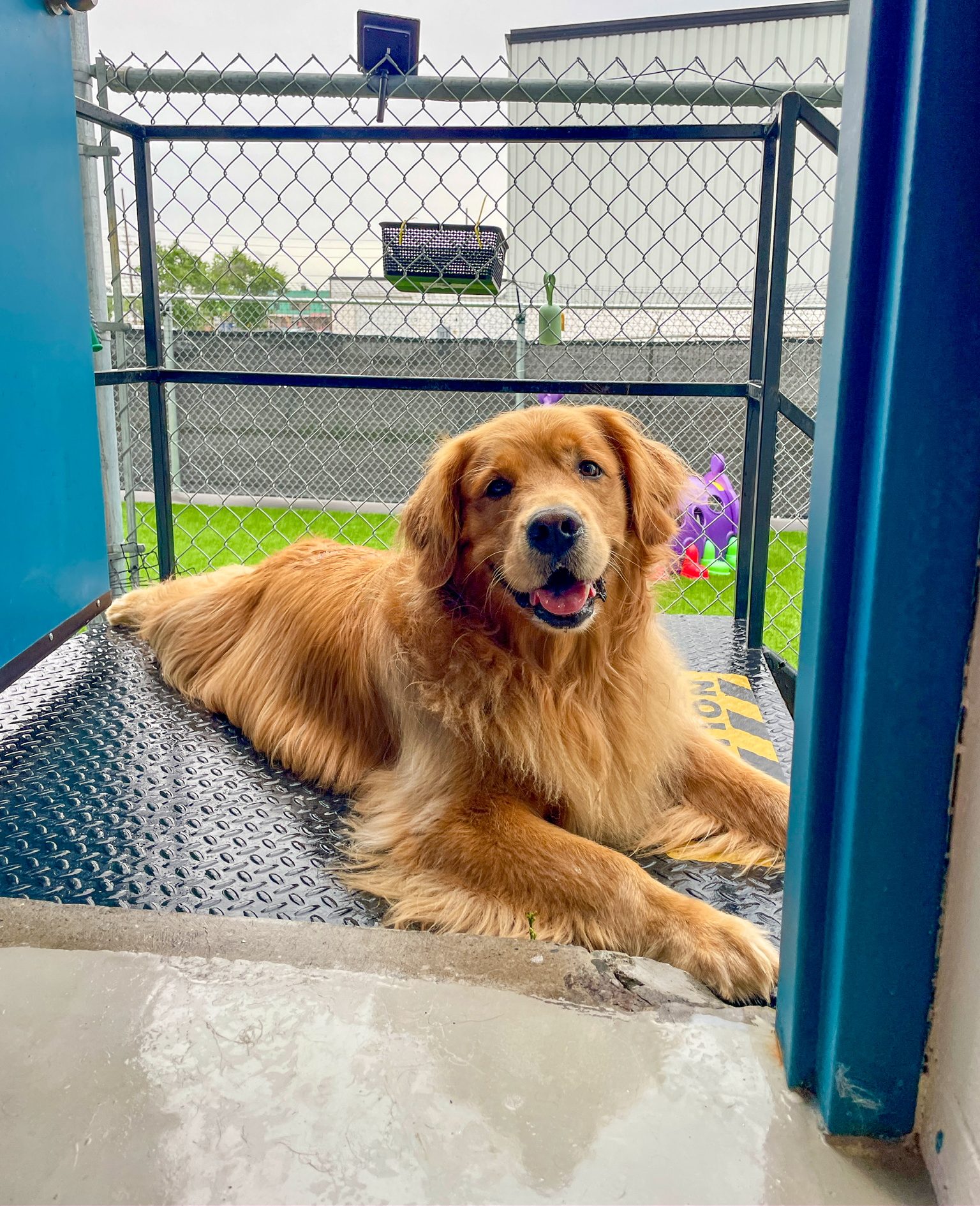
A dog in a great kennel wakes on a raised cot in a clean run that smells neutral, not chemical. A familiar face greets him, clips a leash without fuss, and walks him to a yard he recognizes. He sniffs, pees, maybe trots a bit, then returns for breakfast. His bowl looks and smells like home. If he hesitates, the staff adds a spoon of warm water and a soft word. Mid-morning, he joins a small group that suits his play style. He wrestles, then rests, then sniffs again. A handler notices when he checks out and guides him to a quiet corner. After lunch and a nap, a short enrichment session gives him a job: find the hidden treats along a scent trail, step onto a wobble board, touch a target stick. In the evening, he eats again, gets a last potty break, and settles on a dry cot with a blanket that smells like his people. Someone walks through at 10 p.m., notes his relaxed breathing, and turns the lights down.
That day does not require chandeliers, live webcams, or a designer logo. It requires competent care, good judgment, and respect for individual dogs. Oakville and Mississauga have facilities that deliver exactly that. With a careful eye and a few pointed questions, you can find the right fit for your dog, whether you need short doggy daycare days, longer dog day care stays tied to work travel, or a reliable home-away-from-home for holidays. When you pick well, you get more than a place to sleep. You get a team that helps your dog thrive.